- 0 Comments
- Patient Information
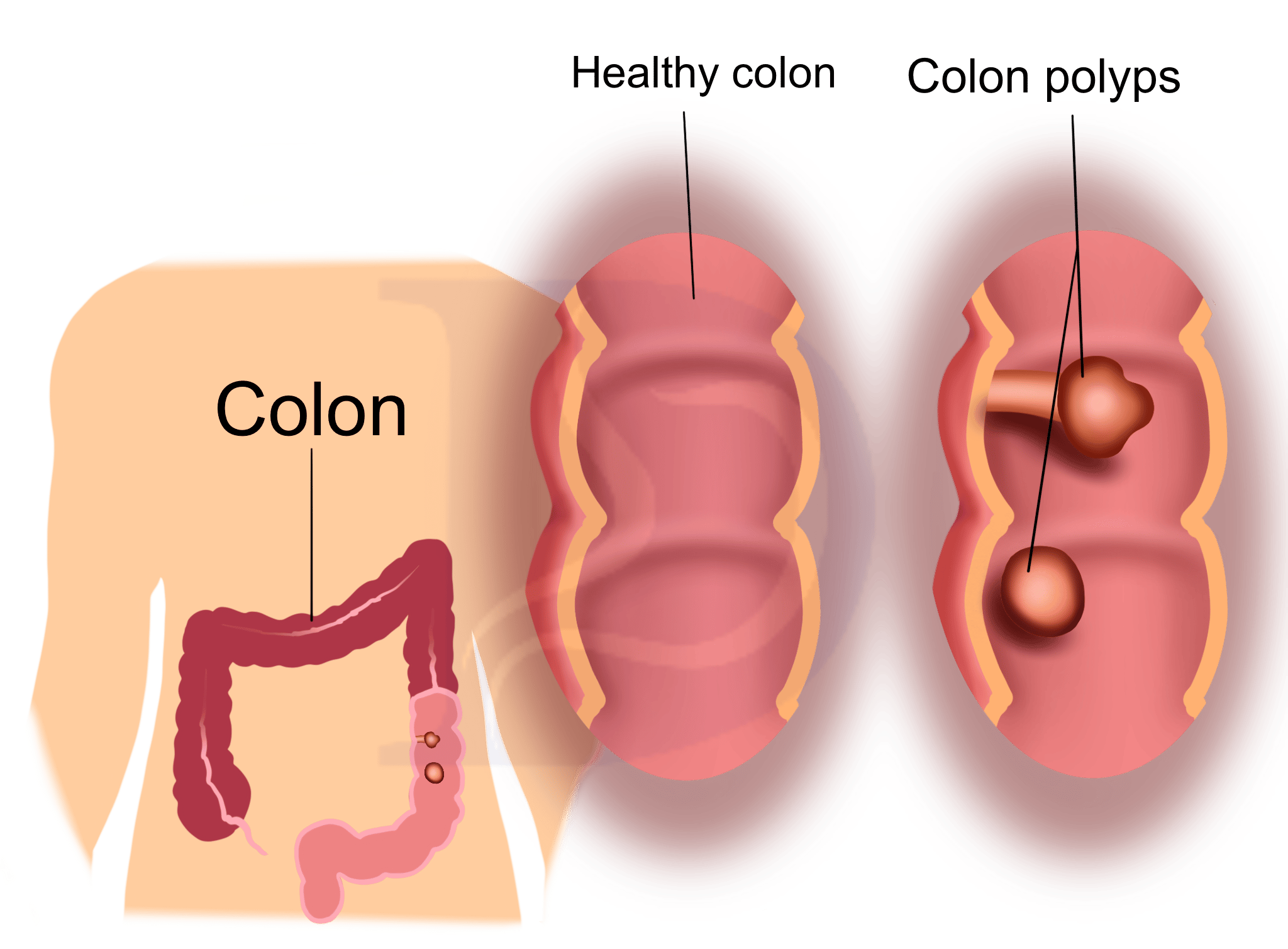
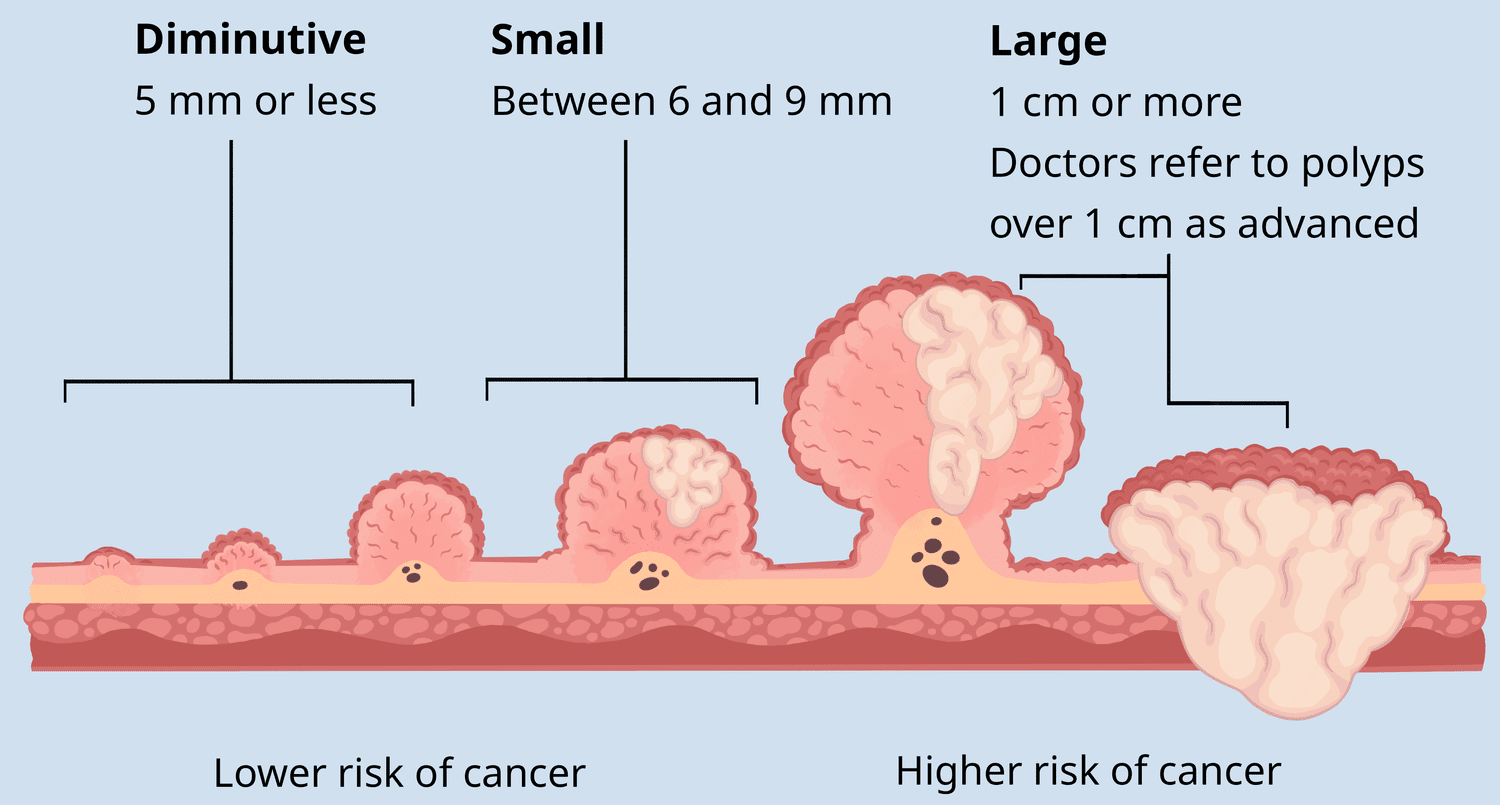
Essentially there are two types of polyps. Hyperplastic polyps which are not pre-cancerous and adenoma type of polyps which are pre-cancerous. The type of the polyp can be determined only after its removal.
Learn More
Essentially there are two types of polyps. Hyperplastic polyps which are not pre-cancerous and adenoma type of polyps which are pre-cancerous. The type of the polyp can be determined only after its removal.
Learn MoreA colon polyp is a growth on the inner lining of the colon (large intestine) or rectum. Polyps in the colon arise from uncontrolled multiplication of cells leading to growth of tissue. This can occur due to mutation in the genes of the cells. A polyp can vary in size from few millimeters to several […]
Learn More
The three most common diseases that cause chronic liver disease, liver fibrosis and cirrhosis are alcoholic liver disease, chronic viral hepatitis (hepatitis B and C), and non-alcoholic fatty liver disease that is usually associated with diabetes and obesity. Other diseases such as autoimmune hepatitis, and excess of iron in the body known as hemochromatosis can […]
Learn More
Liver fibrosis does not cause any symptoms and routine blood tests and ultrasound scan cannot detect liver fibrosis. It is important to detect liver fibrosis at an early stage so that its progression can be prevented. If untreated, liver fibrosis may progress to cirrhosis of the liver, liver failure, and liver cancer. If you have […]
Learn More
Fibroscan uses ultrasound waves using a technique called transient elastography. Liver stiffness is evaluated by measuring the speed of a vibration wave as it travels through the liver. The speed of the vibration wave is slower in a soft (normal) liver and faster in a firm or hard (fibrotic) liver. Liver stiffness is eventually expressed […]
Learn More
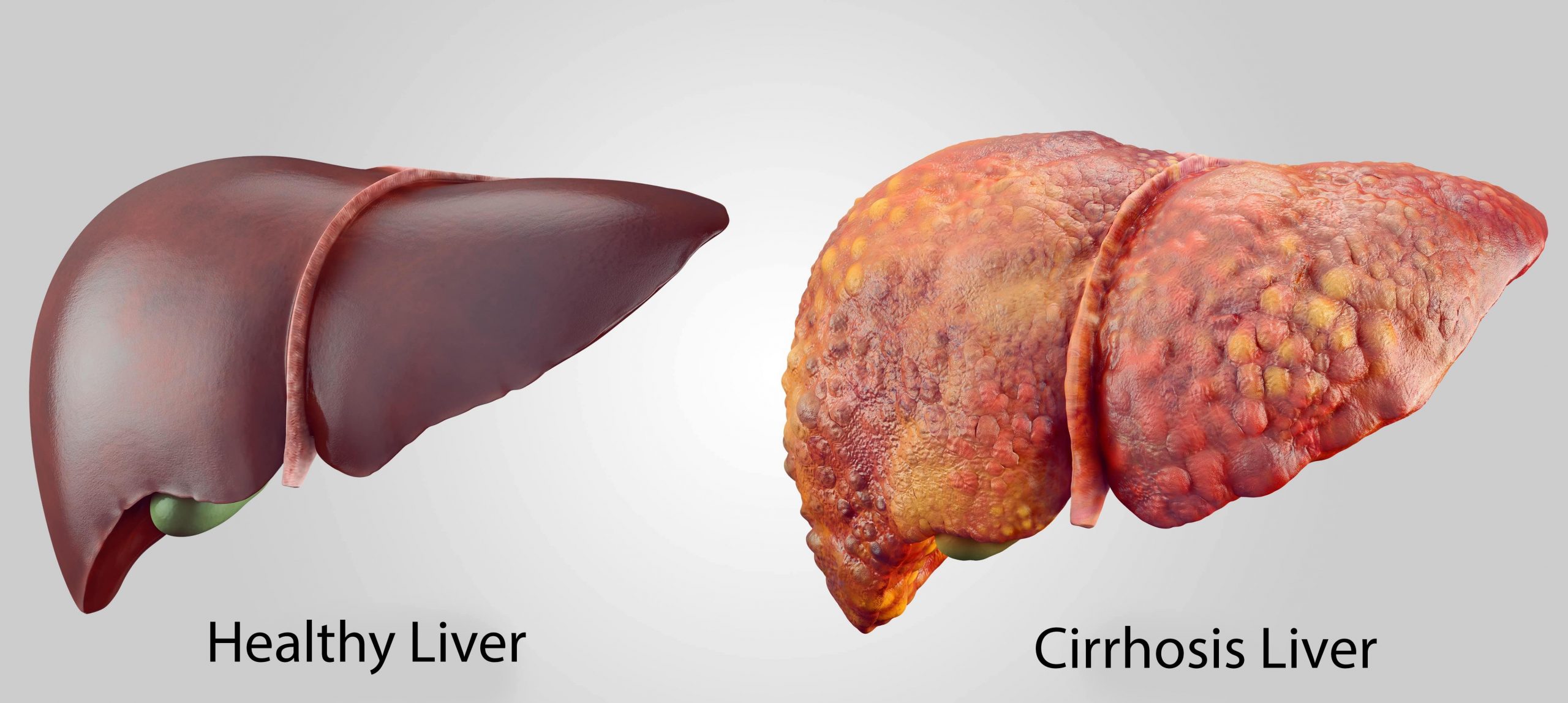
Many chronic liver diseases such as fatty liver, hepatitis B, hepatitis C, or excessive alcohol use can cause persistent inflammation of the liver and lead to progressive liver damage. Over a period or time, healthy liver tissue is replaced by scars. Scarring of the liver is known as liver fibrosis. Liver fibrosis results in diminished […]
Learn MoreMost patients with chronic acid reflux are able to control their symptoms only by taking a daily acidity reducing pill such as Omeprazole or Nexium. There ae some who are not completely relieved even after use of these pills. If you have troublesome acid reflux, you merit a proper evaluation with an endoscopy to assess […]
Learn More
It is recommended not to eat or drink anything for three hours before the Fibroscan. If needed, you can have small sips of water or clear fluid. You will be asked to lie flat on your back on an examination couch and to place your right arm behind your head. The examiner will feel the […]
Learn More
The complex, four-hour-long surgery involved the complete removal of the diseased liver and the implantation of a healthy one The first liver transplant in Dubai recently took place at Kings College Hospital London- Dubai. The patient, a 38-year-old woman, suffered from a rare condition known as autoimmune hepatitis, which causes the body’s immune system to […]
Learn More
A Fibroscan is a type of scan that measures the ‘stiffness’ of your liver, which in turn reflects the degree of scarring (fibrosis) in your liver. It is a simple, painless test which gives immediate results. It does not have any potential complications or risks and is non-invasive, which means that it does not break […]
Learn More
Get Clinic or Online Consultation