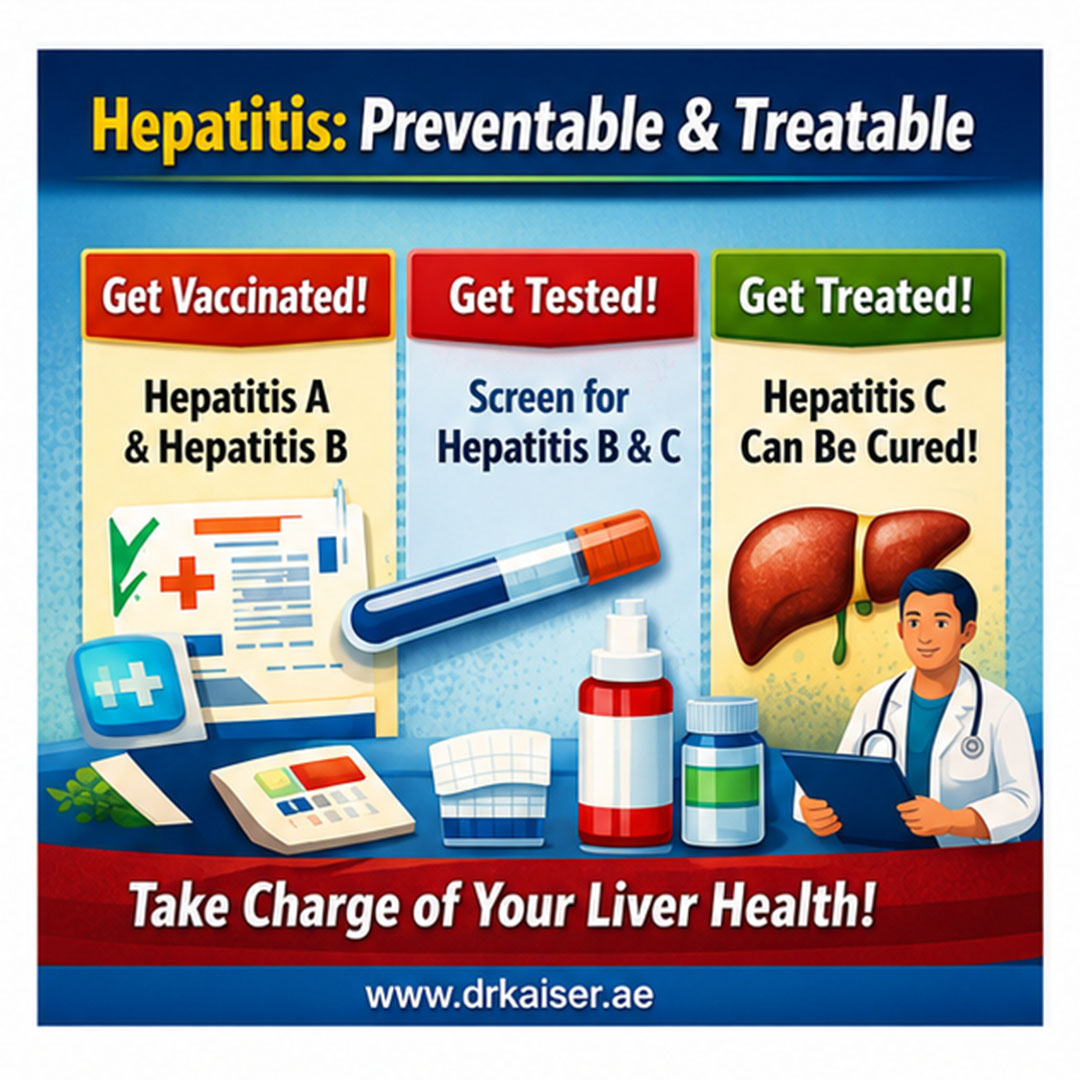
Diagnosis of Hepatitis B and C
Both hepatitis B and C can be diagnosed through blood tests.
- Hepatitis B Diagnosis:
- Hepatitis B Surface Antigen (HBsAg): Indicates active infection with the virus.
- Hepatitis B Antibody Tests: Determines whether a person has been exposed to the virus or has immunity.
- Viral Load: Measures the amount of hepatitis B virus in the blood.
- Liver Function Tests: Assess how well the liver is functioning and whether there is liver damage.
- Hepatitis C Diagnosis:
- HCV Antibody Test: This initial test checks for antibodies to the hepatitis C virus, indicating past or current infection.
- HCV RNA Test: A PCR test that detects the presence of the virus and measures the viral load.
- HCV Genotype Test: Determines the strain of the virus, which can help guide treatment options.
- Liver Biopsy or Imaging: To assess liver damage (fibrosis or cirrhosis) and determine the need for treatment.
Treatment of Hepatitis B and C
Both hepatitis B and C are treatable, but the approach varies depending on the infection type, the severity of liver damage, and individual health factors.
Liver Monitoring: In people with chronic hepatitis C, regular monitoring of liver function and testing for cirrhosis is important. In some cases, a liver transplant may be necessary if cirrhosis or liver failure occurs.
Hepatitis B Treatment:
Acute Hepatitis B: Most people recover from acute hepatitis B without the need for specific treatment, though antivirals may be prescribed for severe cases.
Chronic Hepatitis B: Chronic infection often requires long-term treatment with antiviral medications to reduce the viral load and prevent liver damage. Common medications include tenofovir and entecavir.
Liver Monitoring: Regular liver function tests, ultrasounds, and sometimes liver biopsies are required to monitor liver health and check for signs of cirrhosis or liver cancer.
Hepatitis C Treatment:
Direct-Acting Antivirals (DAAs): Hepatitis C is highly treatable with the newer generation of antiviral medications, which are often taken as a pill for 8-12 weeks. These drugs, such as sofosbuvir and glecaprevir-pibrentasvir, can cure up to 95% of people with hepatitis C.
HepatitisB | HepatitisC | LiverHealth | HepatitisAwareness | HealthyLiver | LiverCare | Viral Hepatitis | Cirrhosis Awareness | Health Awareness | Consultant in Liver Diseases | Best Hepatologist in Dubai